
Best Time to Visit Kenya for Safari planning can feel difficult because travelers hear different advice about dry season, migration season, green season and beach extensions. This guide gives you a clear, practical way to compare options, understand tradeoffs, and ask for a quote that fits your dates instead of a generic package.
Best Time to Visit Kenya for Safari: Quick Planning Answer
The quickest answer is that Best Time to Visit Kenya for Safari decisions should be based on your travel style, the season, the route, and how much flexibility you want on the ground. A strong safari is never just a list of places. It is a sequence of good choices that protect wildlife time, rest, budget, and comfort.
Most travelers start by comparing headline offers. That is useful, but it can also be misleading. One itinerary may include park fees, private guiding, quality lodges, transfers, and meals. Another may look cheaper because key items are missing or because the route is too rushed. Therefore, the best first step is to compare what the trip actually includes.
For Kenya, the most common planning areas include Masai Mara, Amboseli, Lake Nakuru, Samburu and the coast. These destinations appear again and again in traveler searches because they answer different safari goals. Some are stronger for big cats. Some are better for elephants, rhinos, birds, scenery, or family pacing. The right mix depends on why you are traveling.
If you want a live starting point, browse our Kenya safari packages and then treat them as flexible examples. A private quote can adjust lodges, transfers, number of nights, and activities around your exact dates.
Why This Topic Has Strong Search Demand
Search demand around Best Time to Visit Kenya for Safari is high because the decision sits close to booking intent. People are no longer dreaming vaguely about Africa. They are trying to choose a route, compare prices, understand timing, and avoid a mistake that could affect a major holiday. That makes this topic valuable for travelers and useful for a safari website.
SafariBookings lists many Kenya and Masai Mara tours, which shows how much choice travelers face when comparing operators, routes, prices, and comfort levels. Its Kenya safari pages also highlight common questions around timing, cost, drives, crowds, and wildlife expectations. Those are exactly the questions this article answers in a more tailored Luxury Safari Tours voice.
Official tourism sources such as Magical Kenya and the Kenya Tourism Board are useful for destination credibility. However, official inspiration still needs practical planning. Travelers need to know how a destination, season, lodge, and vehicle choice translate into a real day-by-day trip.
That is why Best Time to Visit Kenya for Safari deserves a complete guide rather than a short sales paragraph. The more clearly a traveler understands the moving parts, the easier it becomes to choose ethically, confidently, and without overpaying for the wrong thing.
The Main Challenge Travelers Face
The main challenge is not a lack of information. It is too much information without context. A traveler may open ten tabs and see different prices, different lodge names, different claims about the best month, and different opinions about road transfers or fly-in safaris. Soon the trip feels harder than it should.
Another problem is that many safari decisions are connected. If you change the season, prices can change. If you choose a more remote camp, transfer style can change. If you add children, vehicle and lodge choices matter more. If you want photography, guiding and private pacing become more important.
This is why Best Time to Visit Kenya for Safari planning should begin with priorities. Decide whether your first priority is wildlife density, comfort, privacy, budget, family ease, romance, photography, or route variety. You can have more than one priority, but you need to know which one wins when tradeoffs appear.
A good planner will explain those tradeoffs clearly. They will not only send a quote. They will tell you why the route works, where it may feel long, which lodge is doing the heavy lifting, and where an upgrade is worth the money.
Best Seasons and Timing
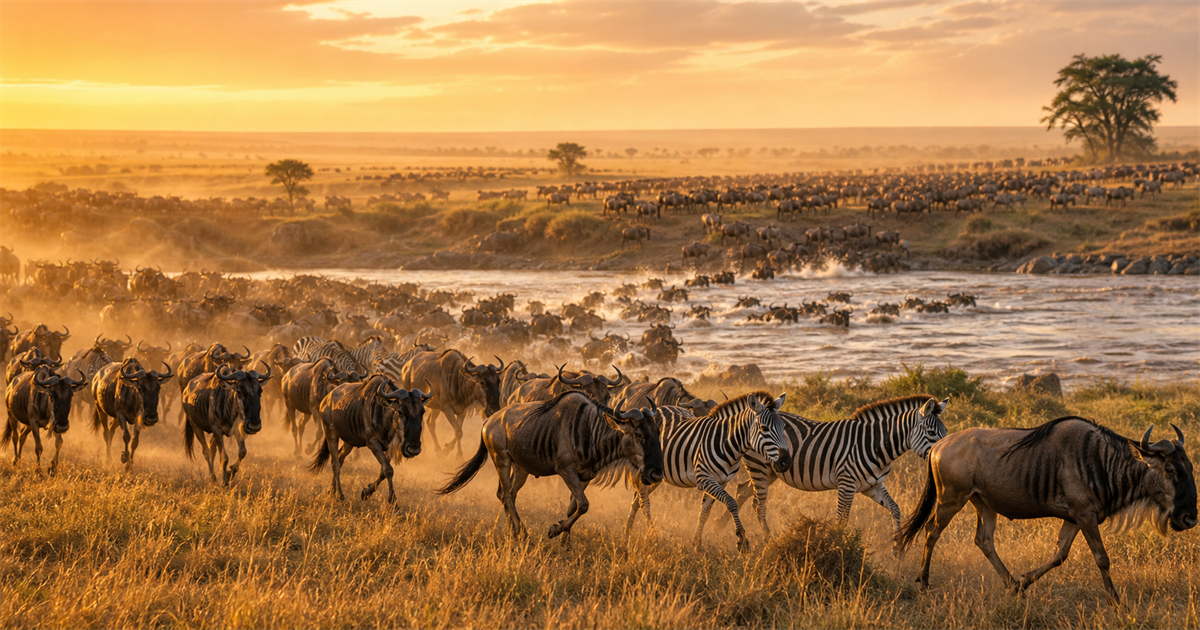
Season affects Best Time to Visit Kenya for Safari because wildlife movement, road conditions, camp demand, and pricing all shift through the year. The popular dry-season months from June to October are excellent for many Kenya safaris. They often bring easier wildlife visibility, open tracks, and strong interest in the Great Migration in the Masai Mara.
January to March can also be excellent. Light can be beautiful, predator activity can be rewarding, and many travelers enjoy the balance of warmth and wildlife. This period is often overlooked by guests who only think about migration months, yet it can create a superb luxury safari.
Green-season months can offer value and privacy. April, May, and parts of November may bring rain, but they can also bring lush scenery, softer rates, fewer vehicles, and dramatic skies. The route needs more care, but flexible travelers can be rewarded.
For broader timing context, SafariBookings’ month-by-month Kenya timing guide is a useful external reference. Your final decision should still be tailored to your party, lodge style, and tolerance for weather or crowds.
Route Design and Destination Fit
Route design is where many safaris succeed or fail. A map may make destinations look close, but Kenya is large, and road days can be tiring. A well-designed route respects distance. It also gives enough time in the places that matter most.
For Best Time to Visit Kenya for Safari, the route usually depends on whether you want depth or variety. A short trip should focus. A longer trip can combine contrasting ecosystems. Masai Mara gives classic plains and big-cat drama. Amboseli gives elephant herds and Kilimanjaro views. Lake Nakuru and Ol Pejeta improve rhino chances. The coast adds rest after early starts.
The strongest itinerary is not always the longest. A six-day safari with smart pacing can feel better than an eight-day safari that moves every night. Lodge changes take energy. Packing, transfers, check-ins, and different park rules all add friction. Good planning reduces that friction.
If you are still choosing places, start with our Kenya destination guide. It helps you see which areas belong together and which ones need more time.
Comparing Your Options
| Option | Best Use | Planning Note |
|---|---|---|
| June to October | Classic dry-season safari | Strong wildlife visibility and migration interest |
| January to March | Warm light and predator activity | Excellent for photographers and relaxed trips |
| April, May and November | Green-season value | Quieter camps, lush landscapes and rain-sensitive routing |
Tables are useful, but they do not replace judgment. An option that is perfect for one traveler can be wrong for another. A honeymoon couple may value privacy and flight comfort. A family may value room layout and flexible meals. A photographer may value guide patience and vehicle position more than a larger suite.
When comparing options, look for hidden assumptions. Is the vehicle private? Are park fees included? How far is the camp from the main wildlife area? Are drinks included? Is the quote based on low season or high season? Does the route end where your next flight begins?
Costs and Value
Cost is part of Best Time to Visit Kenya for Safari even when travelers are not budget-focused. A luxury guest still wants value. A mid-range guest still wants comfort. A family still needs to know why one option costs more than another. Price clarity builds trust.
Safari prices are shaped by park fees, conservancy fees, vehicle type, guide allocation, lodge category, season, internal flights, room configuration, meals, and optional activities. A quote that includes everything may look higher than a quote that leaves costs out. The more transparent quote is usually easier to trust.
Value is not always the lowest price. Saving money by choosing a poor location can cost you hours of wildlife time. Saving money by rushing the route can make the trip tiring. On the other hand, upgrading every lodge is not always necessary. The art is knowing where spending changes the experience and where it only changes decoration.
For cost comparisons, use public tour marketplaces as a broad reference, but rely on a tailored quote for your real number. You can request a custom safari quote when you want dates, lodges, and inclusions checked properly.
Accommodation and Guiding
Accommodation should support your safari goal. A lodge with more facilities may suit families or travelers who want a hotel-like feel. A smaller tented camp may suit couples who want atmosphere, wildlife sounds, and a closer bush experience. A conservancy camp may suit guests who want fewer vehicles and added activities.
Guiding is just as important as the room. A strong guide reads tracks, animal behavior, light, guest energy, and vehicle etiquette. They know when to wait and when to move. They also keep wildlife viewing respectful, which protects both the animals and the guest experience.
Private guiding and private vehicles cost more, but they can transform the trip. They give you control over pace, photo stops, rest breaks, and route choices. For families, honeymooners, and serious photographers, that flexibility is often worth it.
Before booking, ask how guiding works. Will you have a private guide? Is the vehicle shared? Are night drives allowed? Does the camp operate inside a reserve or conservancy? These details influence the daily experience more than many first-time travelers realize.
Safety, Ethics and Responsible Travel
Responsible safari planning is not only about comfort. It is also about wildlife respect, community relationships, and honest expectations. Guides should keep distance, follow park rules, avoid blocking animals, and never pressure wildlife for photographs.
Cultural visits should be handled with consent and dignity. If a Maasai village visit is included, it should be arranged transparently and fairly. Guests should ask before taking portraits and listen to local guidance. A safari should deepen respect rather than turn people into scenery.
Environmental practices matter too. Many remote camps work with solar power, water management, refillable bottles, local employment, and conservation fees. Ask questions without expecting every remote camp to operate like a city hotel. The practical goal is responsible improvement and good choices.
Ethical planning also includes honesty. Wildlife is wild. Weather changes. Migration timing shifts. Roads can be bumpy. A trustworthy operator explains uncertainty instead of hiding it.
How Luxury Safari Tours Plans This
Our process begins with your priorities. We ask about dates, budget, group size, comfort level, wildlife interests, pace, and any special needs. Then we shape the route around those answers. We do not treat Best Time to Visit Kenya for Safari as a generic checkbox.
Next, we compare real lodge availability and route logic. If a camp is full, too far away, or poor value for your dates, we suggest a better fit. If a fly-in option saves meaningful time, we explain it. If a road transfer is perfectly sensible, we explain that too.
Then we send a clear quote. It should show accommodation, meals, transfers, park or conservancy fees, guiding, optional extras, and exclusions. You can ask for changes before booking. There is no pressure to accept a plan that does not feel right.
You can learn more about our local planning style or send us your questions before requesting a full quote.
Common Mistakes to Avoid
The first mistake is choosing by price alone. Price matters, but it does not tell you whether the route is comfortable, the camp is well located, or the guide is strong. A slightly higher quote can be better value when it includes the things that protect the experience.
The second mistake is trying to see too much. Kenya has many incredible destinations, but moving every night weakens the safari. Wildlife rewards patience. So does rest. Leave enough time for the landscape to work.
The third mistake is ignoring travel style. A route loved by photographers may exhaust young children. A camp loved by honeymooners may feel too quiet for a multi-generation family. A budget group trip may frustrate travelers who want flexible photo stops.
The final mistake is waiting too long during peak season. Good camps sell out, especially in migration months and holiday periods. Early planning gives you more choices and better route logic.
FAQs About Best Time to Visit Kenya for Safari
What is the best month for Kenya safari?
August and September are popular for migration hopes, while January to March can be excellent for general wildlife and calmer lodges.
Is green season worth it?
Yes for flexible travelers who value privacy, soft rates and green landscapes, though routes need careful planning.
When should families travel?
Families often do well in school holidays if the route is paced carefully and lodges are child-friendly.
Can this be customized?
Yes. Every strong safari plan should be adjustable around your dates, budget, lodge style, route preferences and travel pace. Fixed packages are useful starting points, but private planning creates a better fit.
Should I book early?
Book early for peak migration months, Christmas, New Year, school holidays and specific luxury camps. Early planning gives you better availability and more time to refine the itinerary.
Where should I start?
Start with your dates, group size and top priority. Then compare routes and lodge levels. If you want help, send those details through our quote form and we will shape the best-fit option.
Final CTA: Plan With Confidence
Best Time to Visit Kenya for Safari planning should leave you calmer, not more confused. Once you understand season, route, budget, accommodation and guiding, the right safari starts to become clear. You do not need the most complicated itinerary. You need the one that fits your people and your purpose.
Ready to turn research into a real safari? Browse our safari packages, compare safari styles, or request a free quote. Luxury Safari Tours will help you build a Kenya safari with clear inclusions, thoughtful routing and the right amount of wonder.
Expert Planning Checklist for Best Time to Visit Kenya for Safari
Before you book, slow the decision down and check the details that affect weather, wildlife movement, crowd levels, and seasonal value. A safari can look perfect in a headline and still feel wrong on the ground if transfers are too long, lodge locations are weak, or the daily rhythm does not fit your group. This checklist helps you look beyond the surface.
First, confirm the exact route. Ask where each night is spent, how long each transfer normally takes, and whether the route depends on road travel, scheduled flights, or charter-style connections. This matters because Kenya safari days are shaped by distance. A beautiful lodge loses some value if you arrive tired and leave before you enjoy it.
Second, confirm the wildlife goal. If your priority is predators, the Masai Mara may deserve more nights. If your priority is elephants and wide scenery, Amboseli deserves attention. If rhino matters, Lake Nakuru or Ol Pejeta should be considered. If rest matters, fewer stops may be better than more destinations.
Third, confirm the comfort level. Ask about room layout, bathroom style, charging, Wi-Fi expectations, laundry, meal flexibility, and whether the vehicle is private or shared. These details can seem small before travel, but they shape the daily experience once the trip begins.
Fourth, confirm what is not included. Park fees, conservancy fees, premium drinks, balloon safaris, tips, visas, insurance, and extra transfers can change the final cost. A trustworthy quote should make these items easy to understand. If the quote is vague, ask for clarification before paying a deposit.
Finally, make sure the plan leaves room for wonder. Safaris are not factory schedules. Weather changes, wildlife moves, and the best moments often happen when the itinerary has space. The right plan gives structure without squeezing out surprise.